
We’ve all experienced this. You’re browsing TikTok, Instagram, X, or Reddit late at night and a sensational headline appears on your feed. It makes an outrageous assertion—for example, that a fast-food chain is secretly offering lab-created meat without telling the public, or that a well-known actor has just been arrested during a live broadcast. Your heart begins to race, your eyes widen, and before you’ve even read the article or looked at the comments, your thumb is already hovering over the share button.

On the internet today, false news and misleading rumors tend to spread much faster than genuine facts. Research from the MIT Media Lab indicates that false news stories circulate faster, more deeply, and over a wider area than true ones within online social networks. It is exhausting and almost impossible to check the accuracy of every single post you come across. Yet rather than continually keeping up with spreading rumors, you can simply learn to recognize the common tricks that people use to deceive you.
If you study the fundamental tactics used in online manipulation, you will develop an internal warning system that enables you to spot bad posts immediately, regardless of the subject matter. The following is a simple, step-by-step method for detecting misinformation before you decide to share it.
Step 1: Notice Your Emotional Reaction
The most powerful tool available for spreading false information isn’t sophisticated hacking or fake video—it is human emotion.

Misleading content is specifically created in order to provoke intense and immediate emotional responses such as strong anger, a sudden sense of fear, high levels of anxiety, or immediate delight. Social media algorithms tend to spread such a post to even more feeds since strong emotions lead to more clicks and comments.
If you feel a sudden flood of anger or surprise while scrolling, treat that emotion like a large yellow warning light. Those who publish misleading content are aware that when our emotions are intense, our ability to think logically shuts down. So, before you like or share any content that causes your heart to race, stop for five seconds, take a deep breath, and ask yourself a straightforward question: is this post trying to teach me something genuine, or is it merely trying to make me angry?

Step 2: Learn Common Misinformation Tricks
Once you’ve looked at your emotional response, examine in more detail the way the post is constructed. Most deceptive or false claims depend on a number of standard tricks:
1. Clickbait Headlines and Emotional Outrage
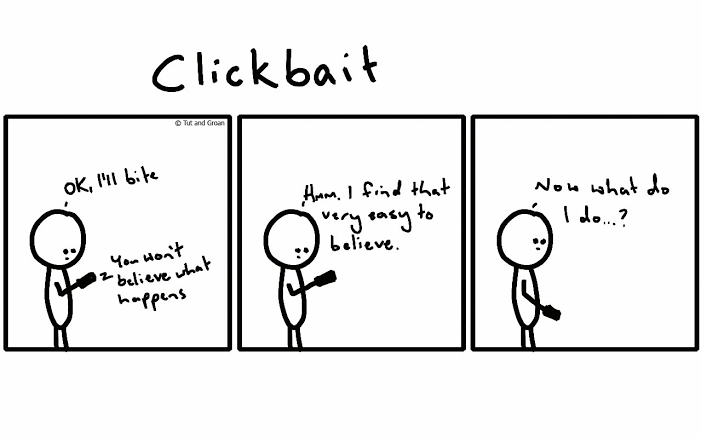
The language used in clickbait is designed to create a gap in your knowledge which in turn prompts you to click. Headlines that use all capital letters, are packed with exclamation marks, or contain phrases such as “They don’t want you to see this!” are far more concerned with creating drama than with telling the truth.
2. Fake Experts and Unnamed Authorities
Posts frequently give the impression that their claims are credible by referring to “top doctors”, “unnamed experts”, or other official-sounding groups that in fact do not exist. The Stanford History Education Group’s digital literacy guidelines state that trustworthy information should be based on clear credentials rather than on vague authority figures. Be careful about quotes that are associated with general titles and yet do not mention actual people, specific credentials, or links to original research.
3. Media Taken Out of Context
Even if a photograph or video clip is entirely genuine, the story going with it can be completely fictitious. It is common for creators to take existing news clips, material from previous disasters, or altered pictures and then show them as new events taking place today in order to promote a sensational story.
4. Cherry-Picking Data
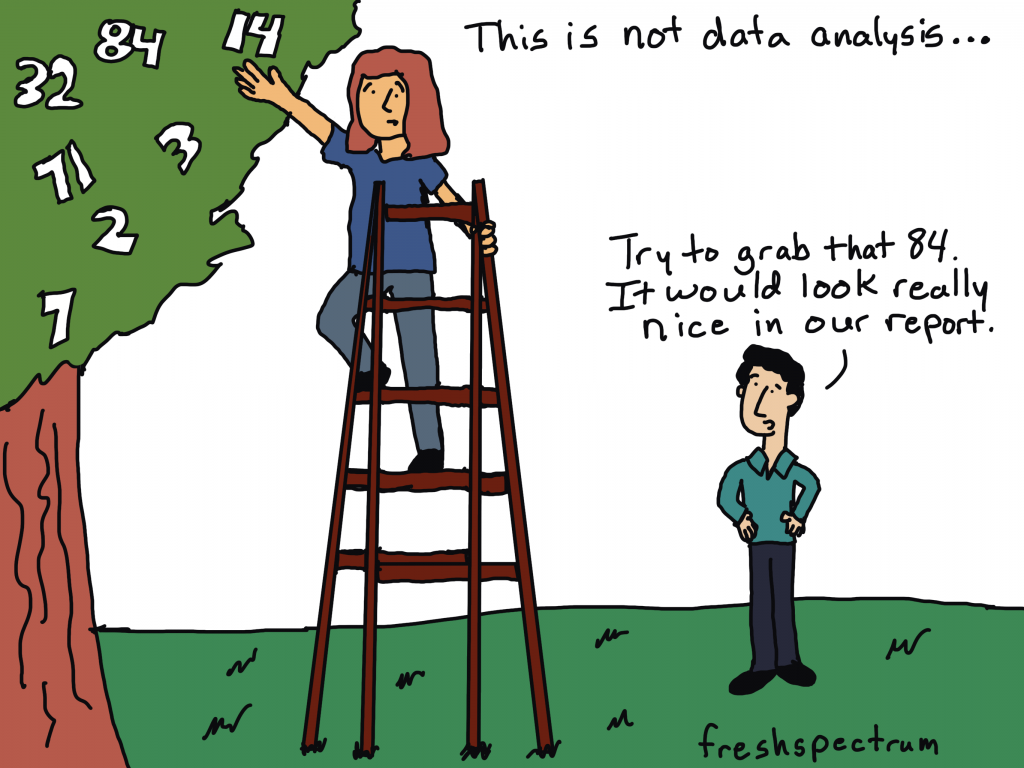
This occurs when a person removes a single, minor and isolated detail or quote from a large study without including all the other information which shows the opposite. When a post provides an extremely simple answer to a highly complex topic, it is probably deliberate that important details have been left out.
Step 3: Check Other Sources (Read Laterally)
If you come across a startling statement on your feed, then don’t spend time repeatedly reading the questionable post. Rather, carry out lateral reading by opening a new tab in your browser and checking the claim elsewhere.
See whether established news teams, research centers, or dedicated fact-checking websites such as Snopes and Reuters Fact Check are also covering the same topic.
- When it comes to major breaking news, several reliable sources will cover it at the same time; however, you should be very cautious if only one random account on X or an unnamed blog is reporting on a major worldwide event.
- When a quote or clip is included, you can search using the exact words in quotation marks to locate the original video and see what has been edited out.
It takes under ten seconds to open a new tab, which immediately shows you whether or not the story is genuine or entirely fictitious.
Step 4: Use a Quick Checklist Before Sharing
Before you carry out a repost, whether you’re sending a link to a friend or sharing the post to your main story, go through this simple four-question checklist:
- Who is behind this? Is the article being published by a reputable news source, by a genuine expert, or by some ordinary profile just trying to get a large number of views?
- What is the evidence? Does the article link to actual documents, to the original studies, or to clear reports, or does it simply ask you to trust it?
- What is lacking? Isn’t the post reducing a complicated issue to a simple and one-sided account?
- What is the reason for me telling this? Is it because I have verified that it is true, or am I merely responding to a strong emotion?

Conclusion
The way to learn how to detect misinformation isn’t to doubt each and every thing you come across online, but rather to become a more astute and careful reader; by understanding the methods that online propaganda uses to manipulate your emotions and curiosity, you will protect both yourself and your friends from being tricked by false news.
When you next go through your daily feed, be on the lookout for these typical manipulation techniques.
Recently, what kind of fake posts or online scams have you noticed on your feed? Please leave a comment below and let me know what enabled you to spot them!