
Part 1: 24-Hour Media Consumption Log
9:00 a.m.
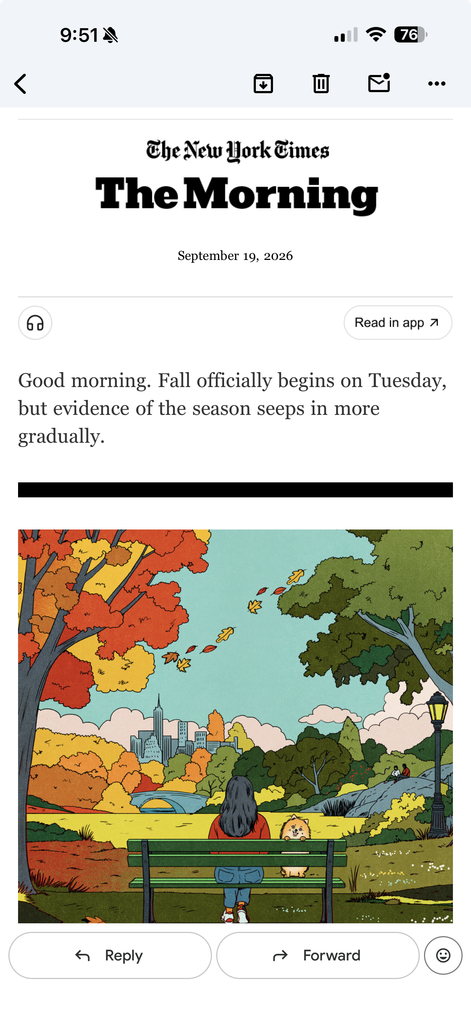
When I woke up I checked my phone and looked through the unread emails, including the daily email from The New York Times. I quickly went over the headline summaries on national news, the international updates, and an article about Fall and our environmental dilemmas. Then I spent approximately 15 minutes scrolling through Instagram Reels while still in bed; the algorithm soon showed me content on cooking (a simple pasta recipe that took about 15 minutes), then a viral video talking about Ryan Gosling’s press event for the film adaptation of Project Hail Mary.
11:15 a.m.
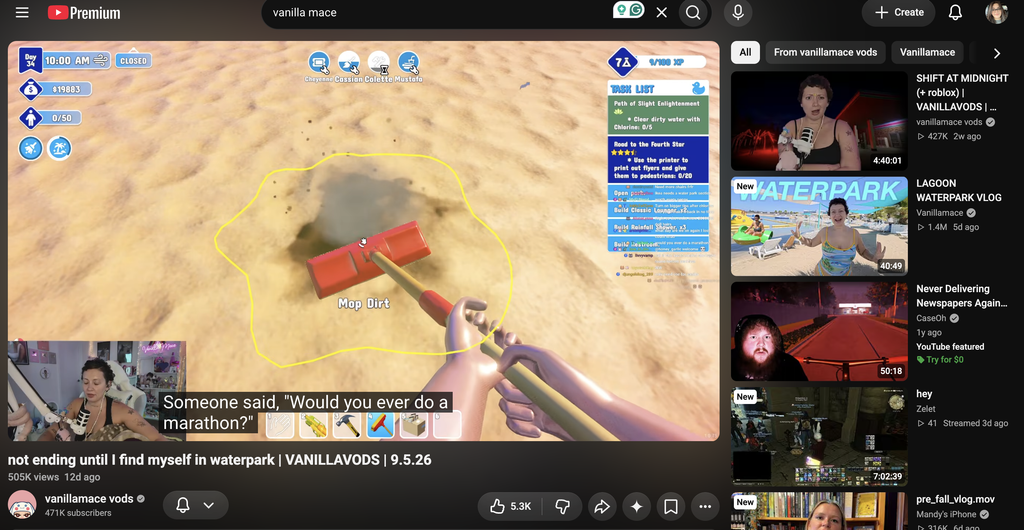
I took a break from studying and turned on YouTube using my laptop. I watched a little bit of a vod uploaded by Vanilla Mace in which she played a simulator game and talked to her Twitch chat. Meanwhile, while I was on YouTube, I looked at my subscriptions feed and added to my queue a video from CaseOh in which he plays a simulator game.
1:45 p.m.
I had lunch while watching a highlight reel of CaseOh playing an indie horror/comedy stream on YouTube. Then I spent about 20 minutes going through my Instagram feed, and the Reels section there was mainly about pop culture, including clips from music festivals featuring Noah Kahan, behind-the-scenes material from Ryan Gosling, fan-made edits of Andy Weir’s Project Hail Mary, and advertisements for high-protein meal prep kits.
5:00 p.m.
I opened Instagram once more while taking a short break. I browsed through a combination of my friends’ posts and content that had been suggested by the algorithm. I came across a reel promoting a ‘gut health detox’ drink which stated that it could cure systemic inflammation within 48 hours. In another reel there was a clickbait headline concerning major legal and personal scandals involving Ed Sheeran, claiming that he was secretly quitting music after a huge lawsuit was revealed.
9:30 p.m.
While unwinding before going to bed, I continued watching the Vanilla Mace video I started earlier in which she played Waterpark Simulator, then quickly checked the evening email from The New York Times to find out about any news that had come out in the afternoon. At the end of the night, I scrolled through some cooking reels on Instagram and saved two recipes for use in my meal prep later that week.
Part 2: Identifying Questionable Content
In that 24-hour period the majority of dubious content appeared in my Instagram Reels feed rather than being published through established sources such as The New York Times or the longer-form gaming and commentary YouTube channels. Two particular posts stood out as possibly lacking in credibility:
- An Instagram Reel promoted a ‘natural gut-cleansing tonic’ made up of cayenne pepper, lemon, raw honey, and raw apple cider vinegar. The person who made the post clearly stated that drinking it on an empty stomach each morning ‘flushes out parasitical bio-films and cures chronic bloating.
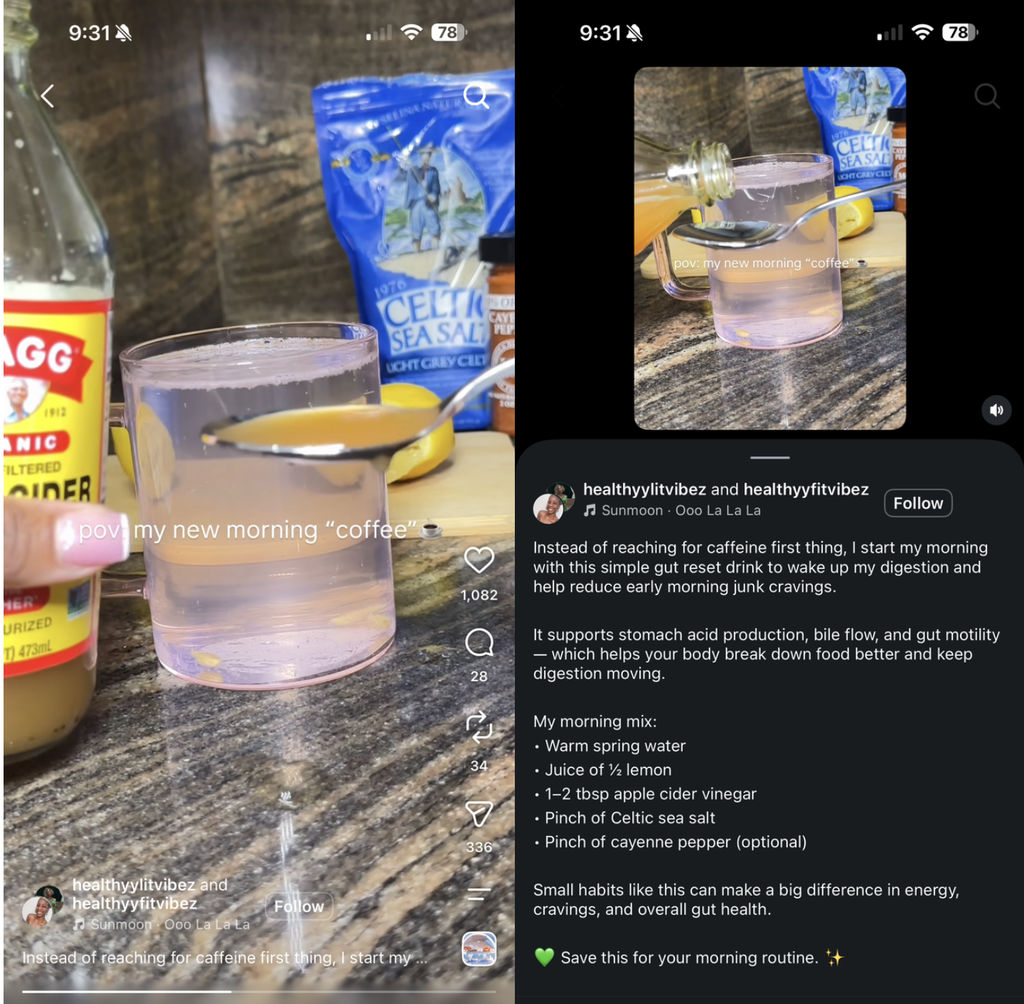
- The sensationalist pop culture rumor (concerning the Ed Sheeran drama) stated that Ed Sheeran was “leaving music effective immediately” due to an explosive new copyright lawsuit and a behind-the-scenes scandal, the post achieving viral status by using clips from past interviews that had been spliced together out of context in order to make it look as though he had officially announced his retirement.
Part 3: Fact-Checking & Verification Process
In order to assess these claims, I used lateral reading methods instead of depending on the internal logic or the visuals of the posts themselves.
Claim 1: The “Gut-Cleansing” Detox Tonic
- Method of verification: Rather than going on to believe the creator’s assertions or the comments (which contain anecdotal testimonials), I opened a new browser tab to look up information on health topics in peer-reviewed resources and on reliable medical websites such as the Cleveland Clinic, Johns Hopkins Medicine, and the Mayo Clinic.
- Findings: Research in the field of gastroenterology consistently indicates that the human body depends on the liver and the kidneys to carry out natural detoxification; there is no particular drink that can flush out biofilms or cure widespread gut problems within two days. Although substances such as lemon water and apple cider vinegar are usually harmless when taken in small quantities, to say that they can replace a medical assessment for gastrointestinal symptoms amounts to health misinformation.
- I have indicated the posting as “Not Interested” on Instagram in order to train my algorithm to avoid pseudo-scientific wellness claims and have not shared or liked it.
Claim 2: Ed Sheeran “Quitting Music” Drama
- To carry out the verification, I opened up a new browser window and searched for “Ed Sheeran quitting music” as well as recent legal developments in major news and music industry publications such as Billboard, Rolling Stone, and BBC News.
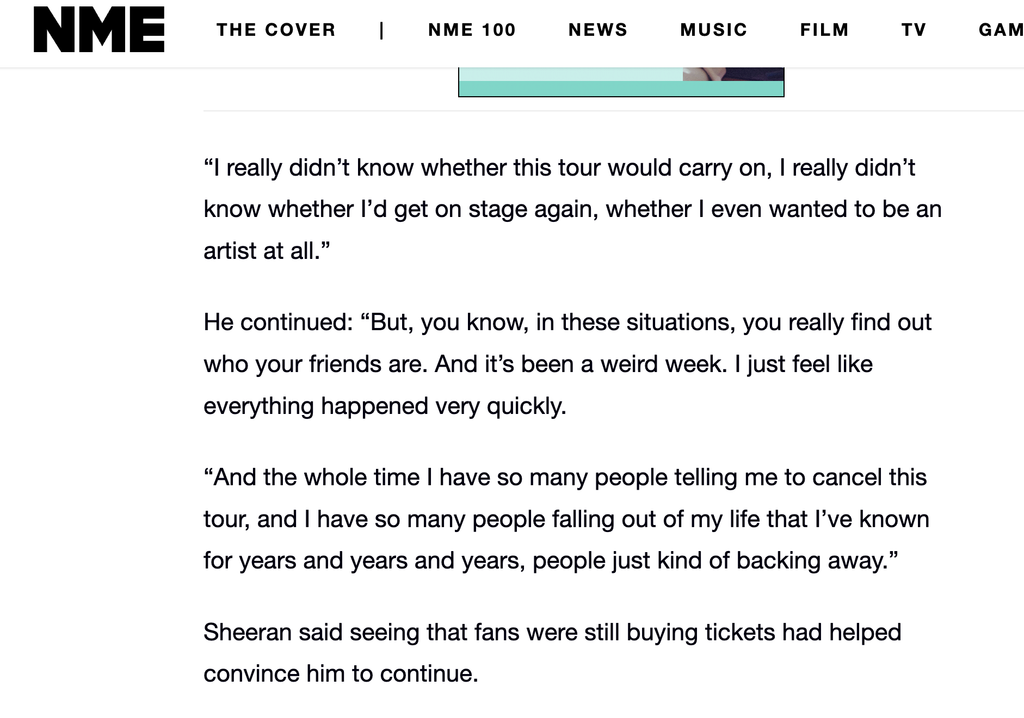
- The findings show that reliable sources within the industry have verified that no such announcement had been made. Although Ed Sheeran has previously been involved in public copyright trials (and had, famously, stated during one of those trials that he would retire if found to have plagiarised, even though he was eventually cleared), the video mixed those statements with entirely made-up rumors in order to create controversy. This was a straightforward case of clickbait aimed at encouraging comments and shares from concerned fans.
- The action I took was to refrain from commenting on or sharing the video, since engaging with sensationalized celebrity drama causes the algorithm to continue providing similar content.
Part 4: Personal Reflection
Keeping a 24-hour log shows how easily questionable content mixes with ordinary casual scrolling. Even though I get my news from The New York Times and my entertainment from people such as CaseOh and Vanilla Mace, the algorithmic feeds like Instagram Reels still keep on providing unverified claims together with harmless content such as cooking videos or edits of Noah Kahan’s songs.
There’s a clear trend on display: questionable content no longer usually appears in the form of obvious fake news articles. Rather, it appears as short-form video that is either posed as health advice or designed as exaggerated celebrity “drama” in order to provoke emotional responses.
I find that I am much more likely to check whether pop culture rumors or health claims are true when those rumors or claims concern people or subjects that I care about than when they are random postings that I quickly pass over. Going forward, I’ll develop the habit of spending an extra minute looking at the information from other angles before treating the claims in short-form videos as true in order to keep my media intake balanced.